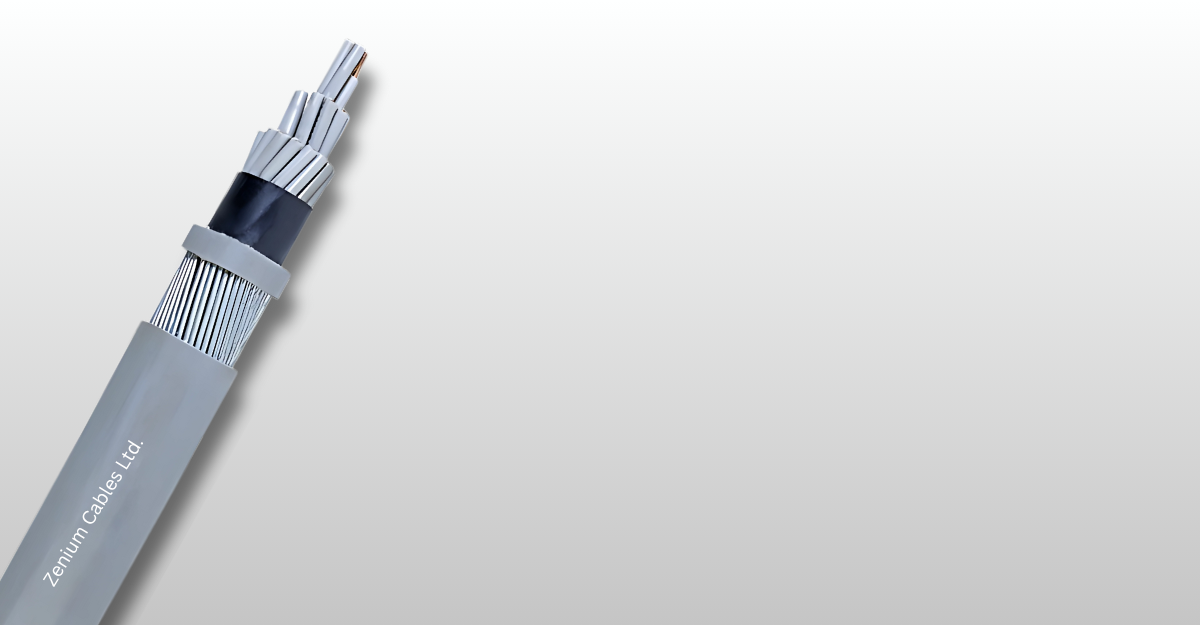
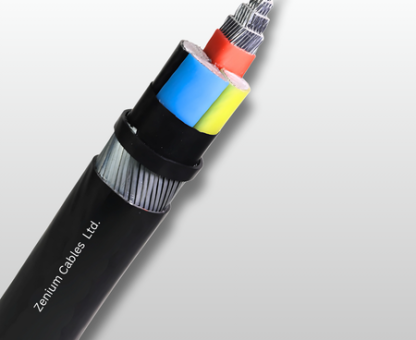
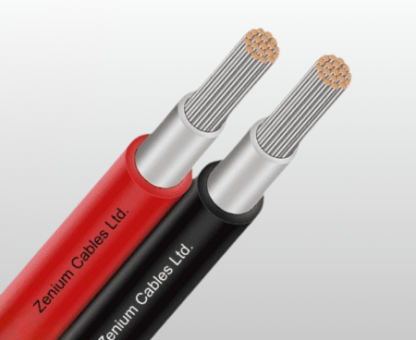
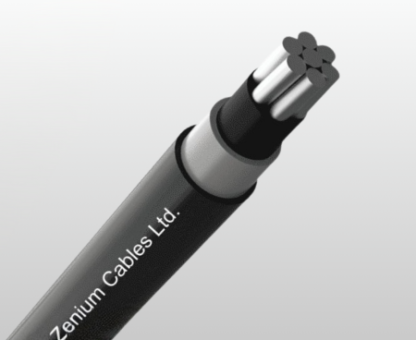
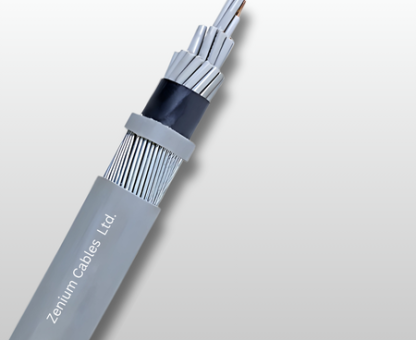
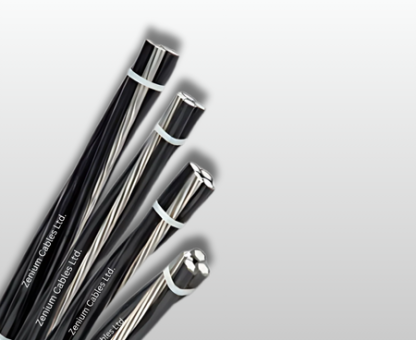
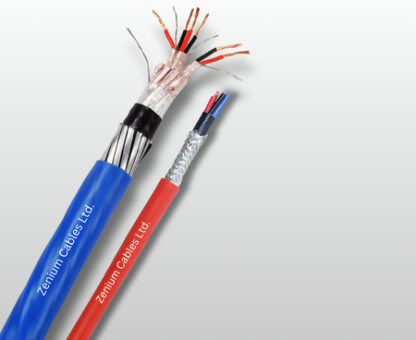
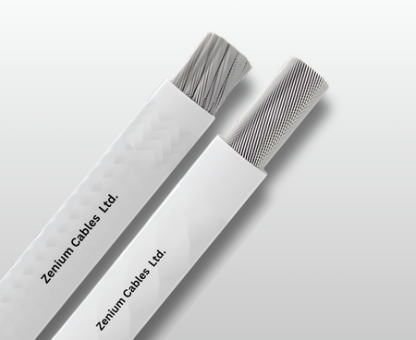
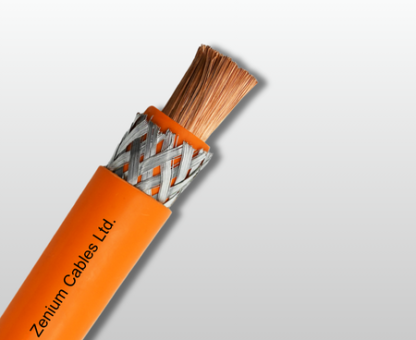
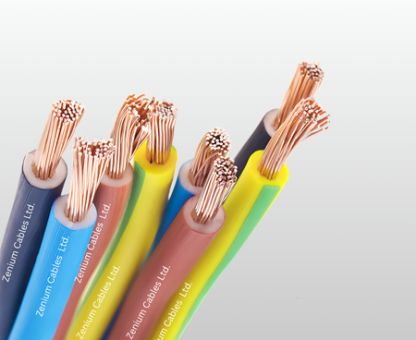
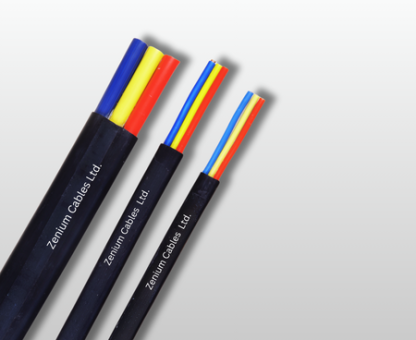
LT (Low Tension) XLPE & PVC Insulated Cables and Control Cables are designed for low-voltage power transmission and control applications in industrial, commercial, and utility sectors. These cables ensure efficient power distribution, reliable performance, and enhanced safety, making them suitable for power networks, control panels, industrial automation, and building wiring systems.
LT PVC/XLPE Insulated Control Cables are specially designed for low-voltage control circuits, automation systems, and instrumentation applications, ensuring reliable and efficient performance. These cables provide accurate and stable signal transmission with minimal interference, helping to reduce electrical noise and maintain system integrity. They are available in both screened (shielded) and unscreened (unshielded) variants to suit different installation and operational requirements.
Features & Benefits:
- High Insulation Resistance – Ensures excellent dielectric strength and long service life.
- Superior Thermal & Electrical Properties – XLPE cables offer higher temperature resistance (up to 90°C) compared to PVC.
- Flame Retardant & Fire Resistant Options Available – Enhances safety in critical applications.
- Oil, Chemical & Moisture Resistant – Ideal for harsh industrial environments.
- Low Dielectric Loss & High Current Carrying Capacity – Provides energy efficiency and reduced power loss.
- UV & Weather Resistance (For Outdoor Use) – Ensures durability in tough weather conditions.
Applications:
- Power Distribution in Industrial & Commercial Sectors
- Control & Instrumentation Panels
- Underground & Overhead Power Transmission
- Oil & Gas, Petrochemical, and Manufacturing Industries
- Infrastructure & Building Wiring Systems
- Renewable Energy & Substations
Rating Factors
The current ratings given in various tables are based on certain assumed conditions as above. In actual practice, these conditions may be different. Therefore, to determine the current rating, the tabulated ratings shall be multiplied with appropriate rating factors.
Circuit Protection
- PVC insulated cables should not be operated, even for comparatively short durations, at temperature appreciably higher than that permissible for continuous operation, since the PVC insulation is liable to soften at higher temperatures and sustain serious damage.
- It is, therefore, essential that such cables shall be continuously operated at the rated currents given in the tables only if they are suitably protected against excess currents arising out of the fault conditions. It is assumed that duration of such faults does not exceed four hours and protection is considered to be adequate if the minimum current at which the protective device is designed to operate does not exceed 1.5* times the tabulated ratings for cables laid in air or in ducts, and not more than 1.3* times the tabulated values for cable laid direct in the ground.
- If by the nature of the circuit protection, it is not possible to operate the cable at the rated current under the foregoing provisions, the cable required for a given continuous load current shall be chosen to have a rating as given in the tables which shall be not less than:
a) The given continuous load current and
b) For cables in air or in ducts, 0.57* of the minimum current at which the excess current protection is designed to operate, or For cables laid direct in the ground, 0.77* of the minimum current at which excess current protection is designed to operate.